Today’s film review | Experts and scholars’ clever ideas help the high-quality development of China films
Special feature of 1905 film network On April 12th, the first "Binyanglou Dialogue China Film Investment Spring" was held in Jingzhou during the 2023-2024 China Film Big Data and Film Channel M List Honor Night. The film industry elites and academic experts had in-depth exchanges on the spot, explored the key nodes of film industry and investment, and discussed the hot spots and trends of film extension industry investment, which injected new thinking and vitality into the steady growth of film investment and the sustained prosperity of the market in China.
Following the discussion of "China Film Investment and Consumer Market" and "China Film Creation and Investment", this program focuses on the topic of "How to realize the two-way development of new quality productivity and movies" and invites experts and scholars from the fields of film and economy to bring their own "tricks" to unlock the new password for the high-quality development of China films.
Focus on the topic:
Spring has come, how can the new quality productivity help the high-quality development of movies?
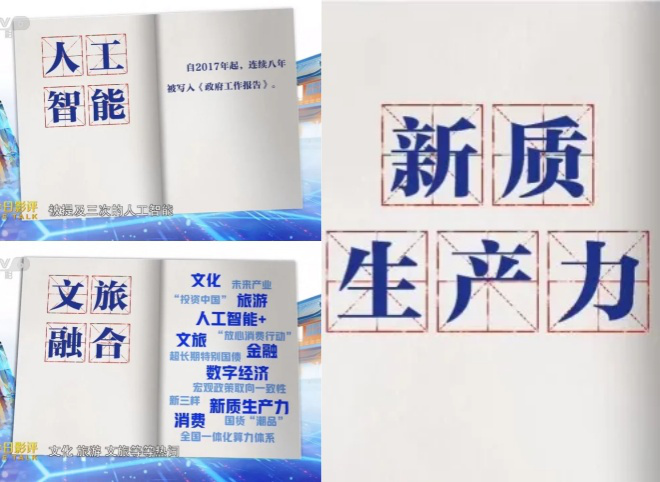
Related words such as "modern industrial system construction", "artificial intelligence" and "integration of culture and tourism" have been mentioned many times in the Government Work Report. This year’s Government Work Report put forward the term "new quality productivity" for the first time, that is, to get rid of the traditional development characteristics and give full play to the leading role of innovation in development.
Zhifina: Vigorously promote the construction of modern industrial system
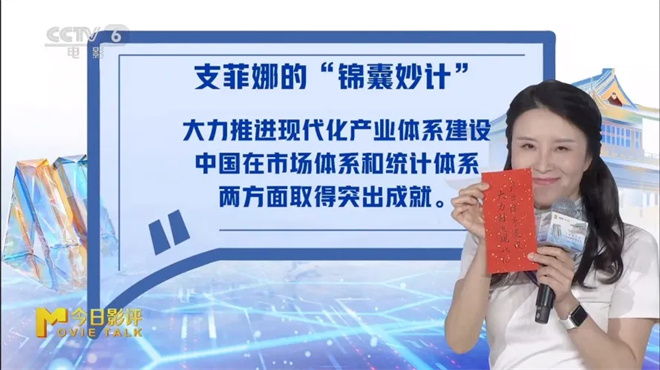
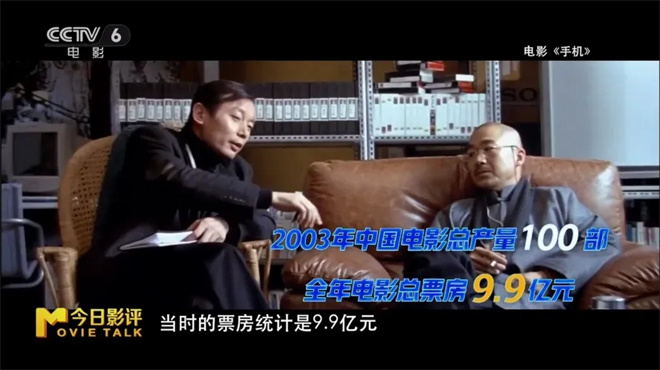
Zhifina, a professor at the Chinese Academy of Art, presented her "trick up her sleeve" on the market system and statistical system of China films. In 2003, before the film industrialization reform, there were 1024 cinemas and 1800 screens in China. By March 31, 2024, the number of cinemas in China had increased to 14,000, with 87,000 screens, and the number of screens and cinemas had greatly increased. In 2003, the national film output was 100, with a total box office of 990 million yuan. By 2023, the number of people watching movies reached 1.299 billion, with a total box office of 54.915 billion yuan. This shows that the development trend of China’s film industry is improving year by year.
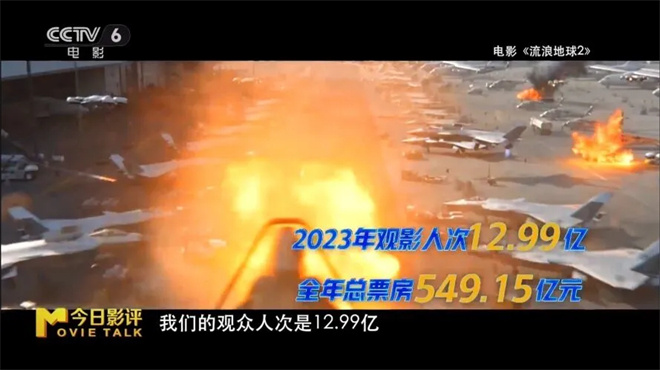
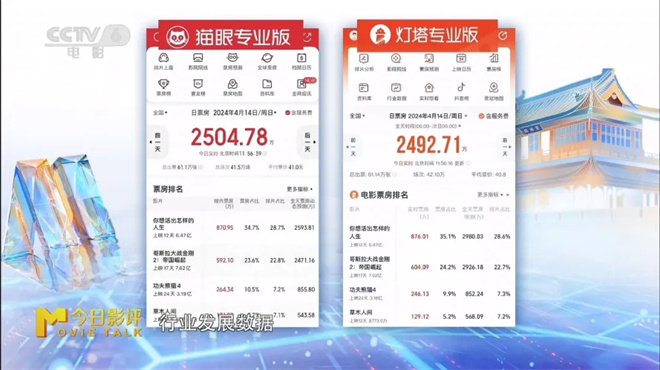
In terms of data system, the official media represented by movie channels and the non-governmental organizations represented by cat’s eye have an important reference role in the professional data statistics, collation and analysis of the film industry for industry management and industry development. Zhifina said: "The transparency and timeliness of China’s film industry development statistics are among the best in the national and even global industry statistics."
Artificial Intelligence: the Opportunity to Seize China’s Characteristics and Traditional Culture
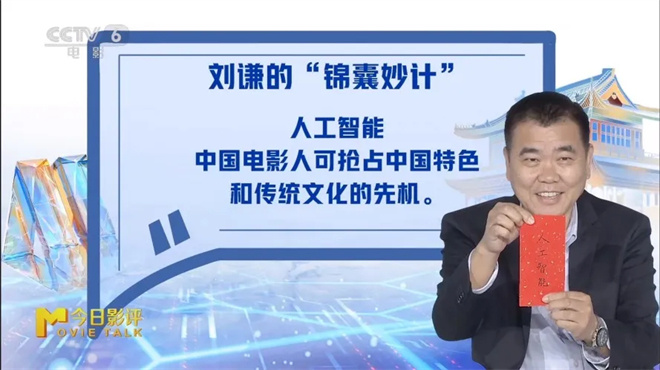
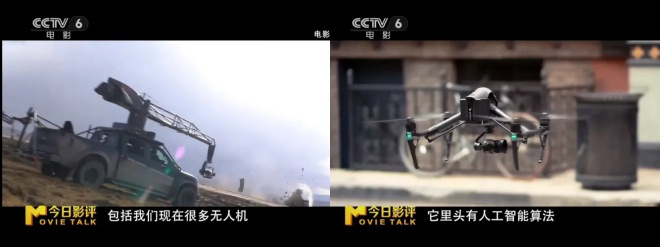
Liu Qian, Dean of Digital Media College of Beijing Film Academy, analyzed the heavy responsibility of artificial intelligence in the future film industry from a professional perspective: "Artificial intelligence did not start to develop today, but began decades ago. As early as 2000, Hollywood movies tried to use artificial intelligence to participate in production. For example, the rocker arms and drones used in shooting need the support of artificial intelligence algorithms. "
At present, the most popular and eye-catching artificial intelligence in the creative field is the generative artificial intelligence Sora. Liu Qian thinks that the public’s expectations of Sora are a little "overdone".
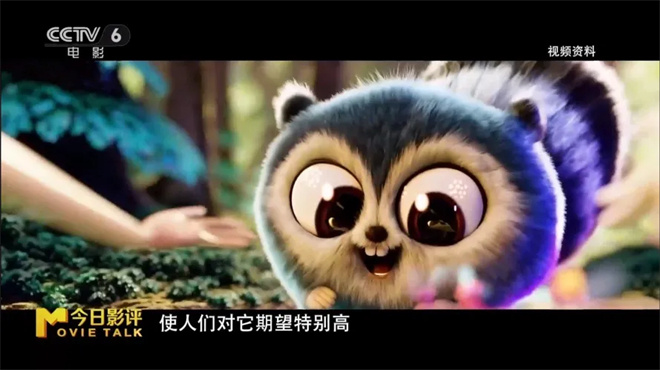
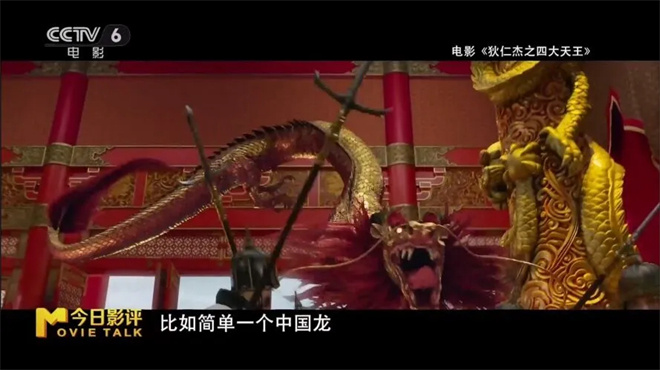
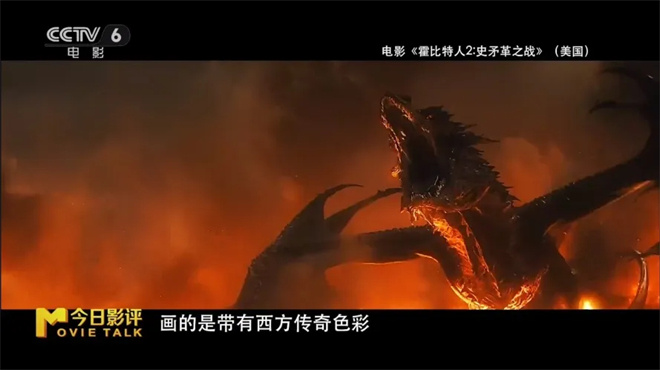
In practical application, Sora is more suitable for collecting and generating a large number of materials within the scope of short films. Its material library can not fully meet the requirements put forward by our domestic creators. For example, Sora is ordered to generate the image of "dragon". Due to the lack of relevant data of China traditional culture, it is difficult to directly describe "loong", but it is used to generating the image of a dragon with western legend. "Our domestic companies should seize the opportunity to input and train the material data of China traditional culture in the local artificial intelligence model at this stage to meet the creative needs of traditional culture such as national style and national style in our current creative environment." Liu Qian appealed.
Integration of Literature and Tourism: Two-way Going of Film and Literature and Tourism
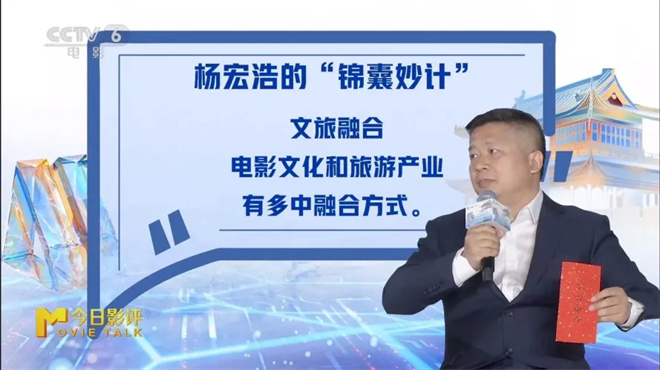
As a popular cultural expression, movies have multiple ways of integration with tourism. Yang Honghao, director of china tourism academy Industrial Research Institute, said: "At present, the type integration of movies and local cultural tours seems to be relatively sufficient. Many movies are filmed in famous tourist attractions, and sometimes a city is on fire because of a movie."
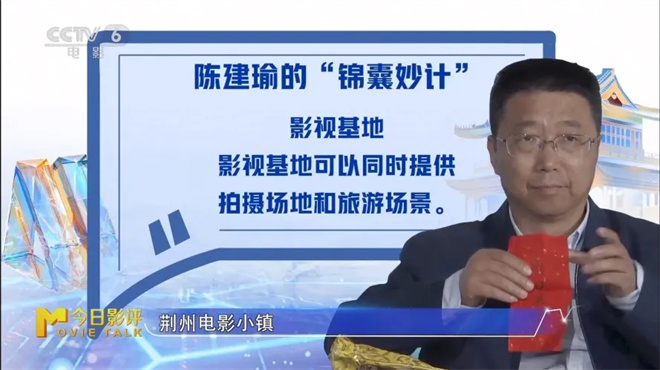
Chen Jianyu, vice president of the Film and Television Base Working Committee of the China Film Association, supplemented and analyzed the focus of the film and television base on tourism.
Chen Jianyu said: "Some film and television bases are mainly based on film and television shooting, taking into account tourism, such as Shanghai Film and Television Park. Hengdian Film and Television City, on the other hand, is a multi-faceted integrated development with film and television as the table, tourism as the center and culture as the soul.
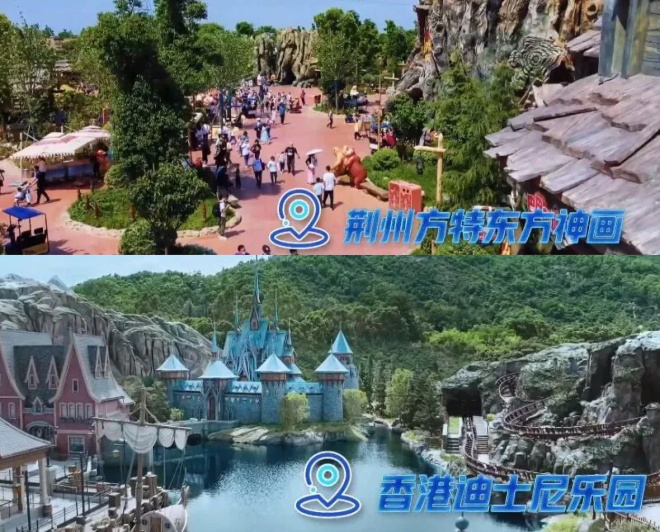
Derivative industry: film and derivative industry are mutually beneficial and symbiotic.
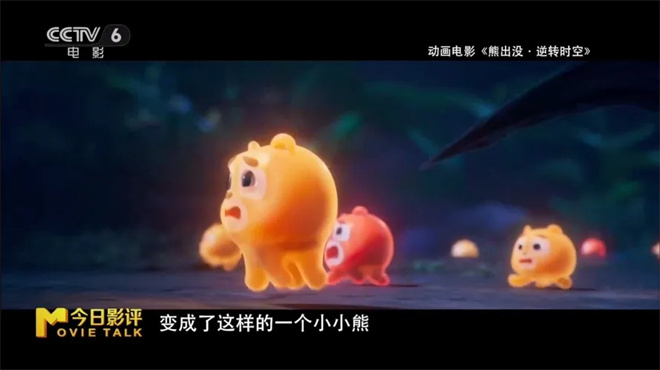
Shang Linlin, CEO of Huaqiang Fangte Group, believes that film and derivative industries are mutually beneficial and symbiotic. First of all, movies provide creative sources for derivative industries. For example, the "Little Bear" doll, a derivative product of "Bears Coming and Going Reversing Time and Space" released this year, is based on the little bear that Xiong Da and Xiong Er became after being decomposed by the rules of time and space in the movie.
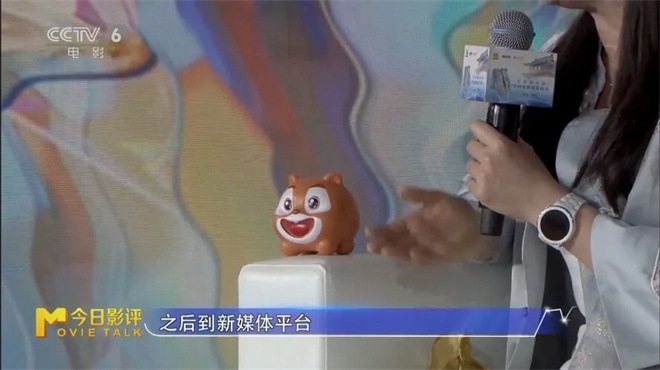
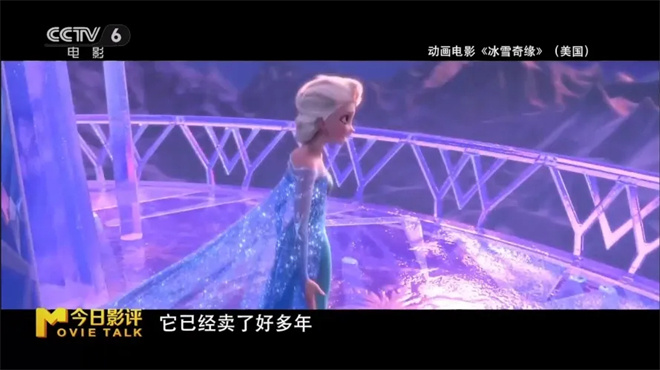
On the other hand, the spin-off industry has extended the life cycle of the film, and provided the audience with an immersive interactive experience during the period when the film is not released. Generally speaking, the film release cycle is relatively short, from the cinema to the new media platform for about six months to a year, while the life cycle of the derivative industry can reach five years, ten years or even twenty years. For example, the skirt of the heroine Aisha in the film is still selling well.
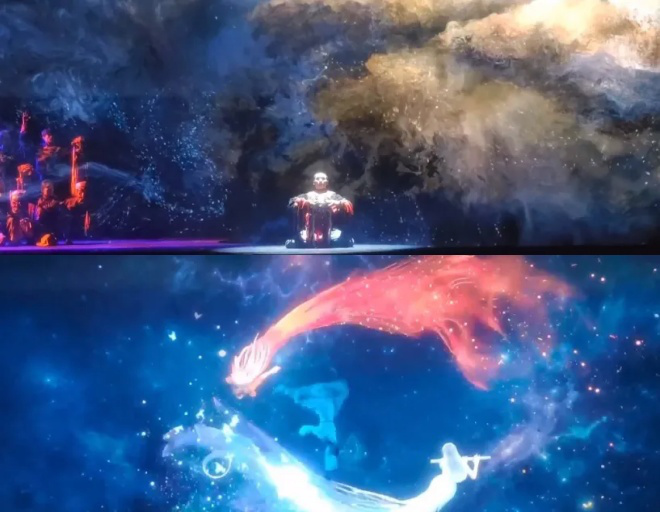
Fangte Theme Park broke the previous mode of building theme parks for movie IP, and chose the mode of "having theme parks first, creating animation works according to the parks", and produced a series of well-known movie IP’s such as "The Story of the Zodiac", "Chickens Don’t Annoy" and "Bears Come and Go". Among them, the "Qu Yuan" IP project tailored for Jingzhou based on Jingchu culture, using special movies, AI and other technologies, allows visitors to fully understand Qu Yuan in history and the stories of Qu Yuan and Jingzhou through the presentation of China ink paintings, thus realizing the deep integration of movies and cultural tours.
At this point, the dialogue of Binyang Building and the activity of China film investment in spring have come to a successful conclusion. China’s films came in the spring, hoping that through dialogue and communication with professionals, more audiences can pay attention to the film industry, understand the film and fall in love with it, and jointly contribute to a brighter and more brilliant future of China’s film industry.