Today’s Film Critics | "National Style" is an aesthetic, not a marketing term.
1905 movie network news In recent years, "national style" has become a hot word, and the overwhelming "national style" marketing has swept the market, covering catering, clothing, makeup and other major fields closely related to life, and the film industry is no exception. And domestic animated films are rich in "national style". Since the audience’s enthusiasm was ignited in 2015, "national style" has become the reason why many fans entered the cinema, and it is also the label of many animated film marketing.
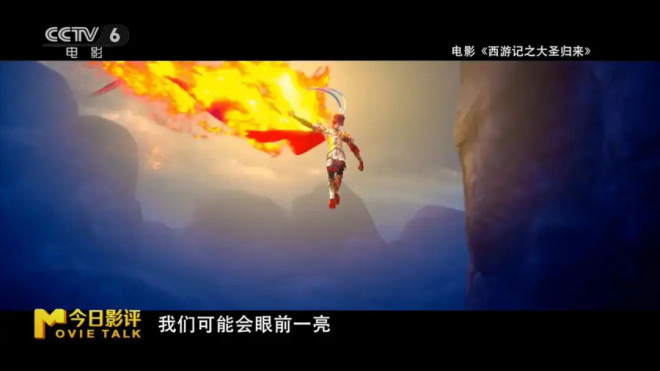
In recent years, among the top 20 domestic animated films at the box office, an average of 4-6 films are based on "national style" as the marketing point. The animation released in this summer’s file has once again pushed the "national style" to a craze. Such high expectations will of course be accompanied by the joy or disappointment of the audience. How should domestic animated films play the card of "national style"? This programme invited Jiang Zhulang, an associate professor of China Communication University, to talk about this topic.
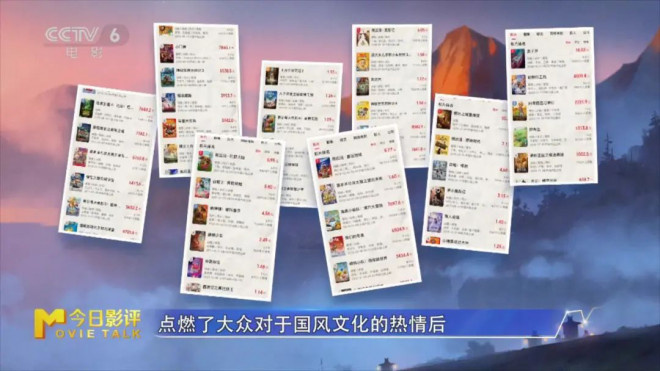
Extending from "national wind", we usually think of another word, "national tide". China element has gradually become a fashion, and products with the word "China" seem to be covered with a gorgeous outer package. Nowadays, more and more products are marketed with "national style" in order to increase their attractiveness. In this regard, Jiang Zhulang criticized cultural kidnapping: "It seems that as long as I type it as a’ national style’, there is a self-evident line that Chinese must watch."

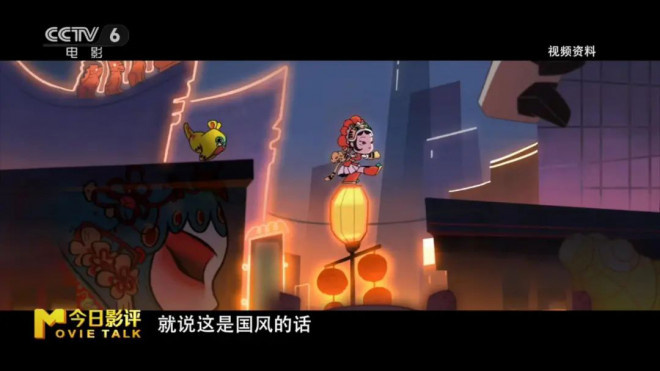
These works may even make the public misunderstand the "national style". Some symbols extracted from traditional culture, such as Peking Opera masks, are indiscriminately pasted on a commodity, which will bring a stereotype to people and hurt cultural feelings at the same time, making traditional culture wrongly presented to the public in a way that is not cherished and valued.
Judging from the works that flaunt "national style" over the years, which ones can be regarded as "national style" in the true sense and which ones are superficial? Jiang Zhulang analyzed The Return of the Great Sage of Journey to the West.
"Personally, I think it is not very’ national style’, because behind that story, one of its core values is the Monkey King’s self-doubt as a superhero. This kind of self-doubt is very western. You will find that all superheroes in the west need to have such a self-doubt stage when they mature, but you will find that he is not from China. Because what the Chinese style emphasizes is that once a gentleman sets his mind, it is a belief that he will not change himself because of the external environment and the evaluation of outsiders, even though thousands of people have gone. "
"The image of Nezha itself seems to be different from tradition, but the overall tone of that film, including the overall relationship between its characters, is very China."
"The construction of its scene and the texture of the whole picture give us a familiar feeling of China landscape painting. In this way, we will feel as if it doesn’t talk about traditional China, but we can realize that its traditional China aesthetics is in it. This is a better expression of the national style in my opinion. "
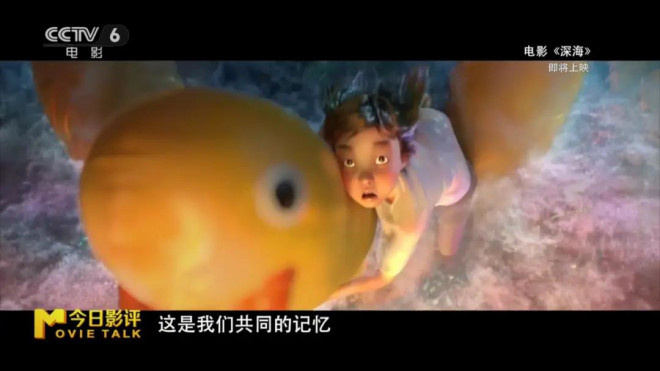
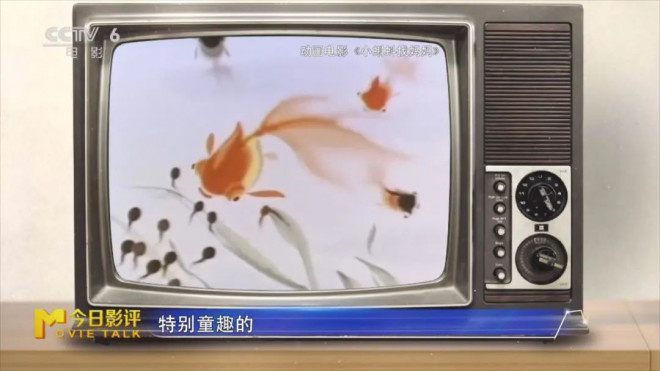
It can be seen that the "national style" often emphasizes not the symbolic external performance, but the internal performance of the spirit, which belongs to our own expression of Chinese, our story, values and common memory. Looking back at our early "national style" animation, we can see that a batch of works by Shanghai Fine Arts Studio, such as "What makes the sea noisy", have deeply reflected the culture of China in every scene, showing strong Chinese aesthetics. This kind of aesthetics is what the creators who are pursuing "national style" should really learn.
"National style" should not be a marketing term, it should represent an aesthetic and a style, which is rooted in culture and thus extends the ever-changing external performance. If domestic animated films want to play the card of "national style", they need to deeply understand the essence of China’s traditional aesthetics in order to better show its beauty.