Typhoon "Fireworks" landed in various places twice and actively responded.
Cctv news(News Network): The No.6 typhoon "Fireworks" weakened to a strong tropical storm level at 9: 00 this morning (July 26th), and landed again along the coast of pinghu city, Zhejiang Province at around 9: 50, with a maximum wind force of 10 near the center when landing. In the face of strong storms, all localities actively responded.
The heavy rainfall brought by the typhoon caused the water level of Jiaxing river network to generally rise, and local rescue personnel were dispatched to deal with the danger. Affected by the typhoon’s two landings, many roads in Lin ‘an District of Hangzhou were destroyed by flash floods, and the local people were urgently transferred and resettled in dangerous areas.
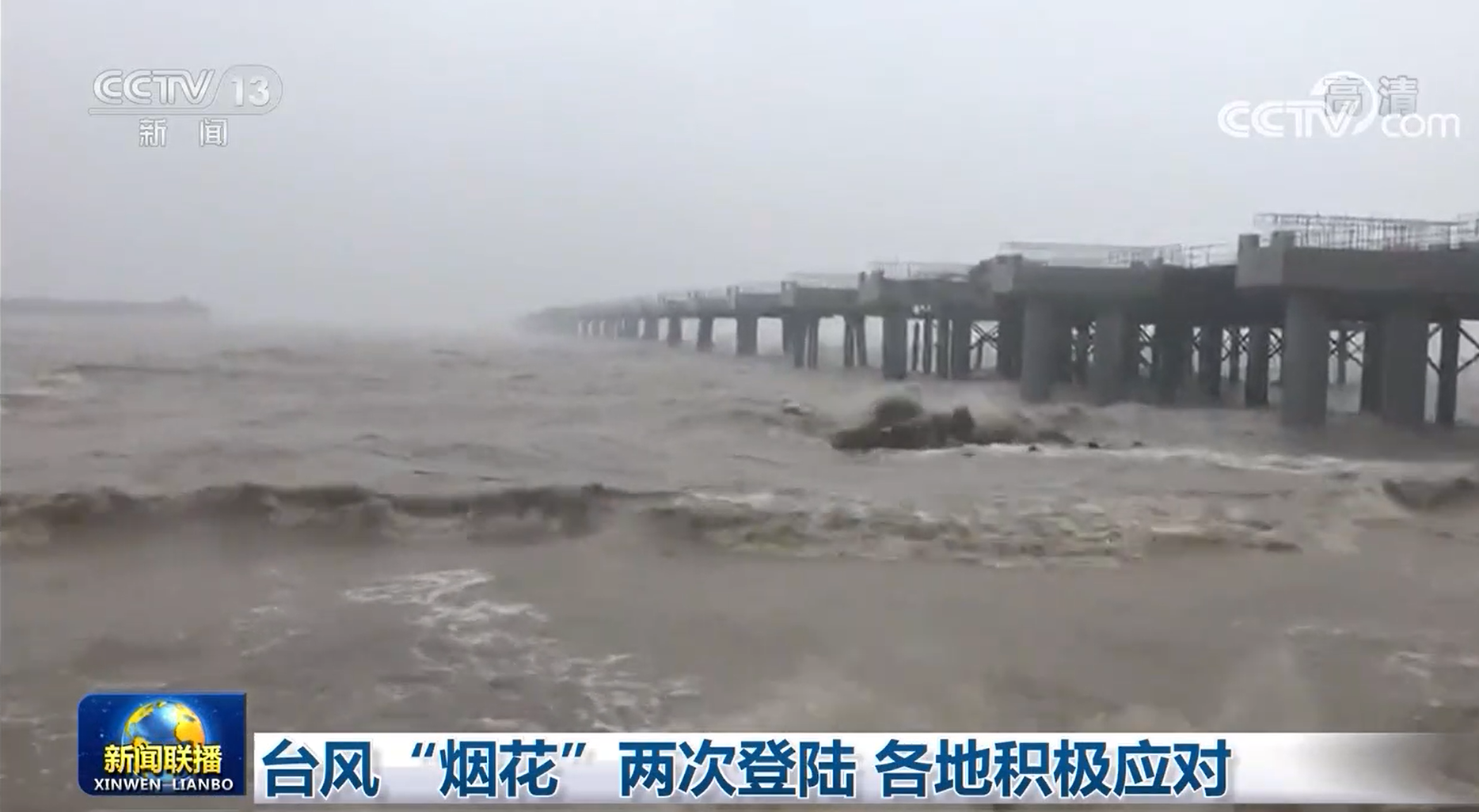
In Ningbo, waterlogging occurred in many places today. 117 villages (communities) in Haishu District were flooded to varying degrees, and the deepest water in some places exceeded 2 meters.
The re-landing of typhoon "Fireworks" led to water accumulation in six communities in Jinshan District, Shanghai, where 279 resettlement sites were set up to transfer and resettle more than 28,000 people. At four o’clock this morning, Longquan Port opened its floodgates to discharge flood. At present, the sea gate has drained 16.83 million cubic meters.
In Jiangsu, affected by the typhoon, the province has transferred 264537 people. At Pingwang Station of Taipu River, the water level here has reached 4.10 meters, exceeding the guaranteed water level. The local people arranged 24-hour patrol along the Taipu River and evacuated some people along the coast.
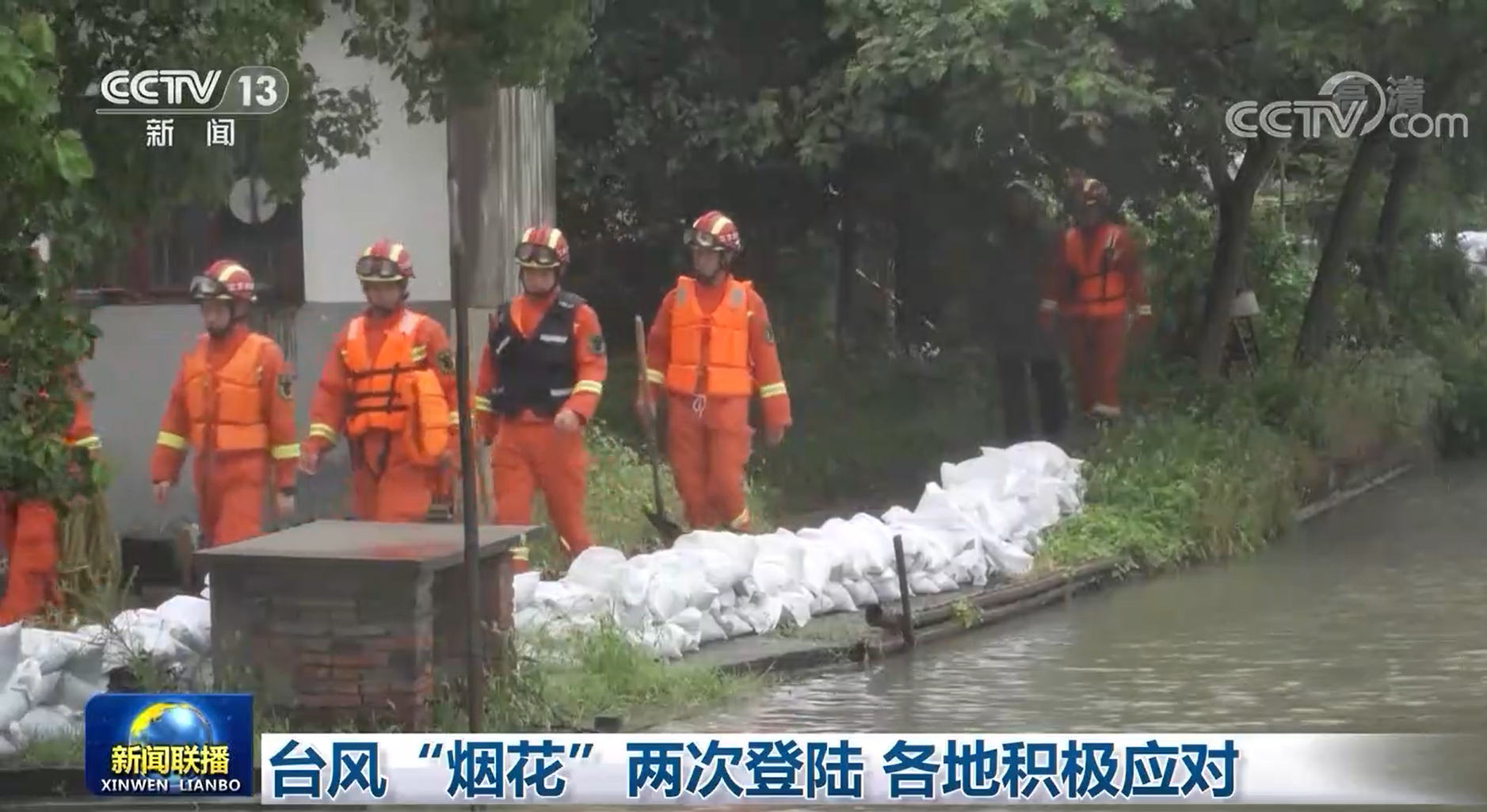
In the future, although "fireworks" will gradually weaken, the influence of wind and rain will continue. It is expected that there will be heavy rains in central and northern Zhejiang, Shanghai, central and southern Jiangsu, and central and southern Anhui tomorrow and tomorrow, and some areas will have heavy rains. The meteorological department reminded that the meteorological risk of floods in local small and medium-sized rivers is very high, and it is necessary to continue to do a good job in real-time monitoring, flood prevention and early warning, and transfer and hedging. The National Disaster Reduction Committee and the Emergency Management Department launched the national level IV emergency response to disaster relief, and sent disaster relief working groups to go deep into the disaster areas to guide and assist the local authorities in disaster relief work such as life assistance for the affected people.