Popular Science of Epidemic Prevention Hot Questions and Answers | Can hypertensive patients take COVID-19 antiviral drugs when they are yang, and how? Detailed explanation of experts in Ruijin Hospit
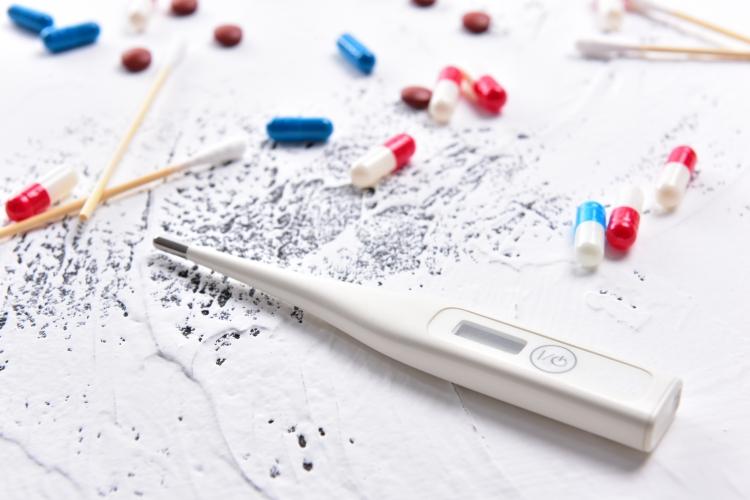
"Do antihypertensive drugs need to be adjusted?" "Can antipyretics be eaten?" "Do you need to take COVID-19 oral medicine?" When hypertensive patients meet COVID-19, how to use drugs has become a problem for many people. In this regard, Bian Xiaolan, deputy chairman of the Hospital Pharmacy Committee of Shanghai Pharmaceutical Association, chief pharmacist of the pharmacy department of Ruijin Hospital affiliated to Shanghai Jiaotong University School of Medicine, and Xu Jianzhong, director of the China Hypertension Alliance and chief physician of the hypertension department of Ruijin Hospital affiliated to Shanghai Jiaotong University School of Medicine, gave a detailed explanation.
Hypertension patients "medicine can’t stop"
First of all, it should be clear that patients with hypertension can’t stop taking daily antihypertensive drugs at will even during the period of COVID-19 infection.Symptoms such as fever and discomfort caused by COVID-19 infection, and virus attacks on human respiratory system, immune system, circulatory system, etc., can easily cause blood pressure fluctuations of patients, and drug withdrawal at will may induce or aggravate diseases.Therefore, it is suggested that patients with hypertension should adhere to the original antihypertensive treatment plan after infection, and need to monitor their blood pressure. If the blood pressure fluctuates greatly after infection with COVID-19, it is recommended to take antihypertensive drugs and seek medical advice in time if necessary.
Can puli and sartan drugs still be used?
Studies have shown that Covid-19 invades human body by interacting with the receptor angiotensin converting enzyme 2(ACE2) on the surface of respiratory epithelial cells, and then entering the cells, causing a series of pathological changes. This is reminiscent of ACEI and ARB, two antihypertensive drugs that inhibit the renin-angiotensin system, that is, two antihypertensive drugs that usually end with "Puli" and "Sartan". At one time, many articles suggested that COVID-19 infected people should consider stopping using these two drugs and switching to other antihypertensive drugs.However, the fact is that there is no evidence that ACEI or ARB drugs will cause special damage to infected people in COVID-19. Therefore, if your commonly used antihypertensive drugs are Pulitzer or Sartan, you can still use them with confidence.
Symptomatic drugs can be used, but attention should be paid to interaction.
For the symptoms of COVID-19 infection, such as fever, pain, cough and expectoration, nasal congestion, etc., patients with hypertension can choose appropriate drugs for symptomatic treatment.
For example, commonly used antipyretic and analgesic drugs include acetaminophen and ibuprofen.For patients with hypertension, acetaminophen may be a more suitable choice.Non-steroidal anti-inflammatory drugs (NSAIDs) such as ibuprofen may cause edema, hypertension, etc. When used together with antihypertensive drugs, the effect of antihypertensive drugs may be reduced. Ibuprofen may further aggravate renal injury in hypertensive patients with renal insufficiency, so it is not recommended to use it.
There are also some ingredients in the compound cold medicine, such as pseudoephedrine (with the word "hemp" in the general drug name) and licorice, which may cause blood pressure to rise. It is recommended to read the instructions carefully to see the ingredients of the medicine before using it. Special reminder that the star drug "Lianhua Qingwen" contains blindly Chinese medicine "baked ephedra", which may also lead to an increase in blood pressure, and patients with hypertension should also use it with caution.
How to use COVID-19 antiviral oral medicine?
At present, COVID-19 antiviral drugs approved for application in China include namatavir/ritonavir (drug P), azvudine and Monola. Generally speaking, for mild and common patients, antiviral treatment is needed only if they are combined with risk factors that progress to severe/critical illness. Hypertension, as one of the high risk factors for progression to severe disease, can be treated with antiviral therapy, especially for the elderly and patients with other cardiovascular and cerebrovascular complications.
The recommended dosage and course of treatment of COVID-19 with drug P are: Nimatvir 300 mg(2 tablets) combined with ritonavir 100 mg(1 tablet), once every 12 hours, for 5 days continuously, and should be used as soon as possible within 5 days after COVID-19 is diagnosed and symptoms appear.
Because there are many drug interactions with drug P, it is necessary to pay attention to the "conflict" with daily medication. Beta blockers, ACEI, ARB and diuretics have no obvious interaction with drug P, so they can continue to be used.
For channel blockers amlodipine and nifedipine, the use of drug P may increase the concentration of antihypertensive drugs. If it is necessary to use them at the same time, it is recommended to monitor blood pressure.
Studies have shown that drug P may double the blood concentration of amlodipine, so it is suggested that the dosage of amlodipine be halved or used once every other day, and that the conventional dosage of amlodipine be restored three days after the last administration of drug P, and that doctors and pharmacists should be consulted in time for specific drug adjustment.
In addition, for patients with hypertension complicated with moderate renal injury (eGFR 30-60 ml/min), the dosage of drug P should be reduced appropriately, that is, one tablet of nematevir and one tablet of ritonavir should be taken once every 12 hours for 5 days. For patients with mild renal injury and mild and moderate liver injury, it is not necessary to adjust the dosage of the drug, but it is not recommended for patients with severe renal injury and liver injury.
The recommended dosage and course of treatment of COVID-19 with azvudine are: 5 mg each time, once a day, and the course of treatment should not exceed 14 days at most.
When azvudine is used in patients with hypertension, it is also necessary to pay attention to the liver and kidney functions of patients. The common adverse reaction is abnormal liver function, which is manifested by the increase of transaminase. It should be used with caution for patients with moderate and severe liver and renal insufficiency. Considering the risk of genotoxicity and reproductive toxicity, it is not recommended for pregnant and lactating patients.
The recommended dosage and course of treatment of Monola Wei for COVID-19 are: 0.8 g(4 capsules) each time, once every 12 hours, for 5 consecutive days, and it should also be used as soon as possible within 5 days after COVID-19 is diagnosed and symptoms appear.
Monola is a prodrug with anti-Covid-19 activity, which needs to be metabolized in vivo to play a role in NHC. Neither Monola nor NHC are the main inhibitors or inducers of drug metabolizing enzymes or transporters. Generally speaking, it is less likely to interact with the combined drugs, so there is no need to worry too much about the drug interaction. In addition, since liver and kidney are not the main metabolic and clearance routes of Monola Wei, there is no need to adjust the dosage for patients with liver function and renal insufficiency. It should be noted, however, that Monola wein may have genotoxicity and reproductive toxicity, so it was put on the market with a black box warning from FDA, and it was not recommended for pregnant and lactating patients, and the risk of mutation should be guarded. In addition, the drug may affect the growth of bones and cartilage in children, so it is not recommended to be used in children.
In short, for patients with hypertension, don’t panic even if you meet COVID-19. Send a poem "doggerel" for patients with hypertension to deal with COVID-19. I hope everyone will keep a good attitude and be the first person responsible for their health.
Don’t stop antihypertensive drugs at will, and stick to regular blood pressure measurement.
Timely use of symptomatic drugs and reasonable selection are the key.
Antiviral drugs can be used, and the interaction should be seen clearly.
Timely treatment of high-risk symptoms, good attitude to protect health.

(This project is jointly planned by the Municipal Science and Technology Commission and the Municipal Health and Health Commission, thanks to the special science funding of the "Science and Technology Innovation Action Plan" of the Municipal Science and Technology Commission)
Author: Tang Wenjia
Editor: Tang Wenjia
Editor in charge: Fan Liping
* The exclusive manuscript of Wenhui, please indicate the source.
Reporting/feedback