What do you know about Norovirus?
Original Professor Liu Shaowei Professor Liu Shaowei
As "Guangdong Norovirus entered the high-incidence period" rushed to the top of the hot search list in Weibo, people were more alert to acute infectious diarrhea caused by Norovirus. What is norovirus, and why do disease control around the world remind everyone to pay attention to it?

The picture comes from the network.
01
What is norovirus?
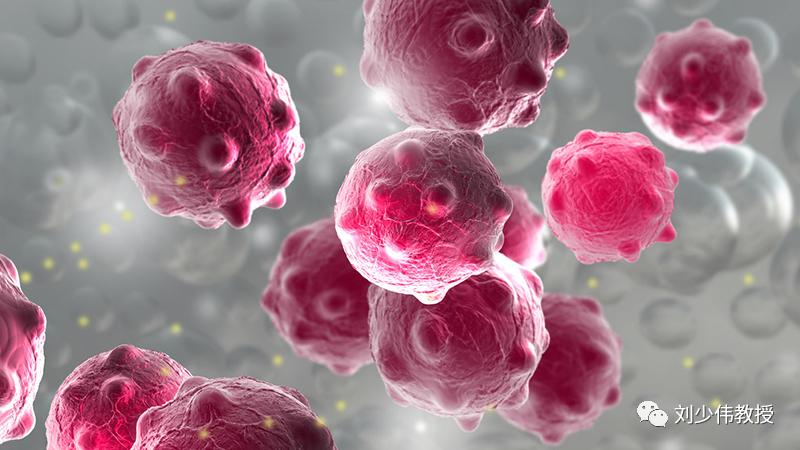
In 1972, Kapikian found a new pathogenic virus from infected feces and named it Norwalk virus. In 2008, it was called Norovirus (NoV). Norovirus belongs to calicivirus family, which is a single-stranded positive-strand RNA virus.
The picture comes from the network.
At present, Norovirus can be divided into 10 different genomes and 8 P groups, including 49 capsid genotypes and 60 P types. Most human infections are closely related to G ⅰ and G ⅱ, and G ⅱ NoV is the most common genotype, accounting for more than 90%.
According to the report of Chinese Center for Disease Control and Prevention, since the second half of 2016, the recombinant genotype GII.P16-GII.2 in NoV cases has become the dominant genotype of Norovirus infection in China. However, due to the short duration of immune protection after human infection with norovirus, the same person can be repeatedly infected with the same strain or different types of norovirus.
02
The harm of norovirus
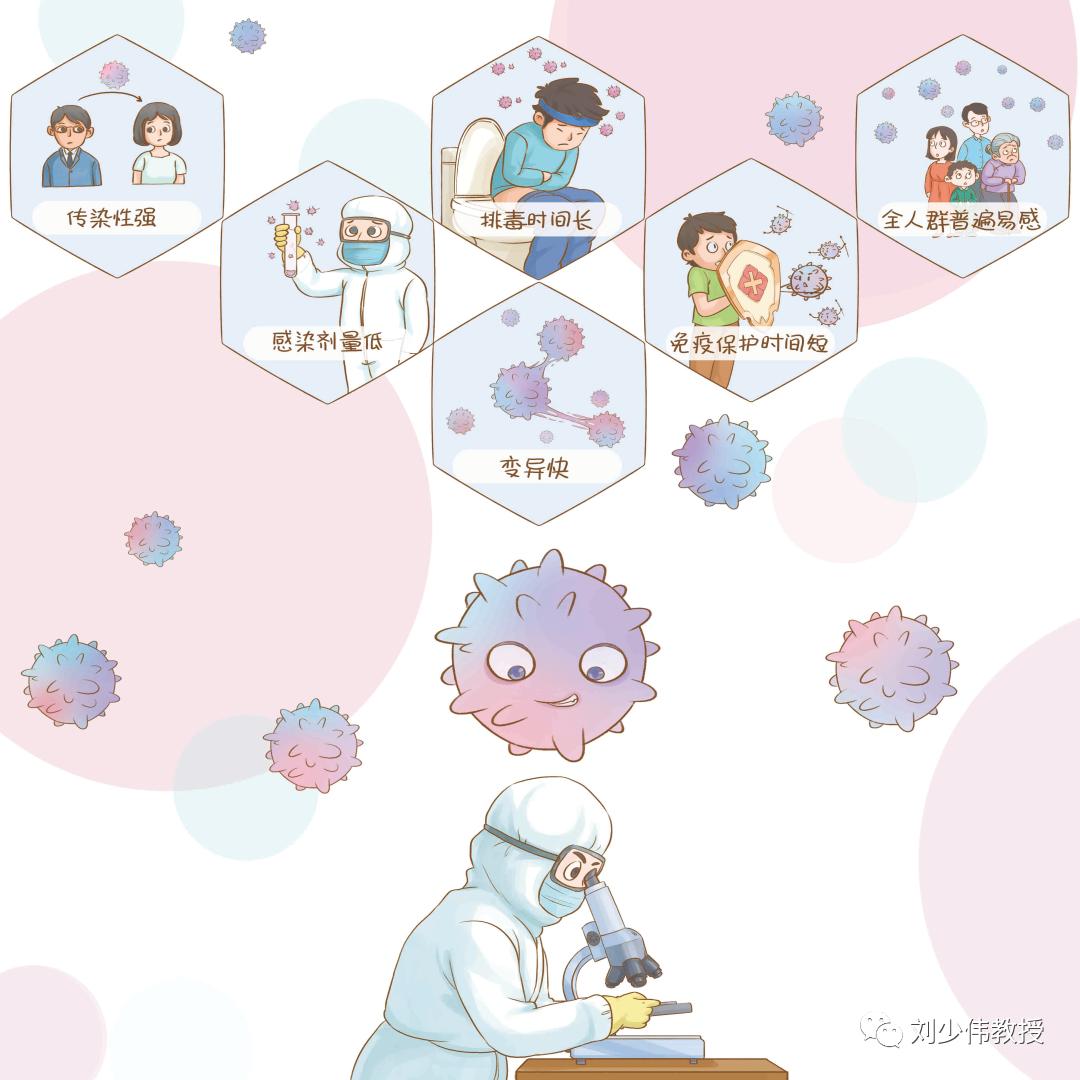
Norovirus is one of the main pathogens of acute gastroenteritis. According to statistics, about 50% of gastroenteritis outbreaks in the world are related to norovirus, and about 699 million norovirus infections occur every year, resulting in more than 200,000 deaths, which poses a great threat to public health and safety all over the world.
The picture comes from the network.
The incubation period of norovirus infection is 24-48h, the shortest is 12 hours, and the longest is 72 hours. Its symptoms usually last for 12-60h, with the characteristics of acute onset and short course of disease. After being infected with norovirus, the patient may be asymptomatic or show symptoms of gastrointestinal diseases, such as vomiting, nausea, abdominal pain, fever, self-limited or non-hemorrhagic diarrhea.
Norovirus infection can also lead to irritable bowel syndrome, necrotizing enterocolitis, etc., and can also cause viral encephalopathy, and it has also been reported that it is related to benign convulsions in children.
03
The spread of norovirus
Norovirus is highly contagious, with a low viral load (> 18 particles) that can lead to infection, and it can exist stably for a long time. At the same time, it is insensitive to disinfectants, heating and freezing, infectious in 60℃ for 30min, stable to acid, and can still survive for 3 hours in acidic environment with pH2.7.
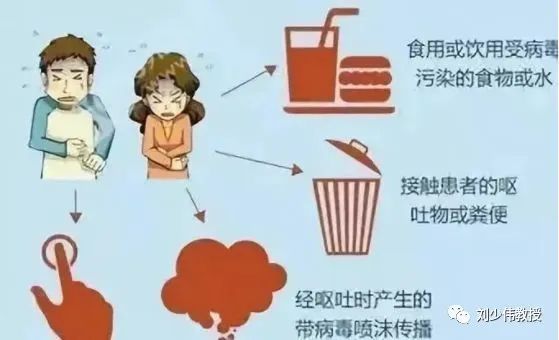
Norovirus spreads widely, with fecal-oral route as the main mode of transmission, and it can also spread through water, food, articles and air contaminated by Norovirus. Norovirus infection can occur all year round, with high incidence in cold season, and the general incidence peak is from October to March of the following year.
The picture comes from the network.
04
Prevention of Norovirus
1 Maintain hand hygiene and wash your hands correctly before and after meals.
Try to avoid close contact with patients, use independent tableware and disinfect it in time.
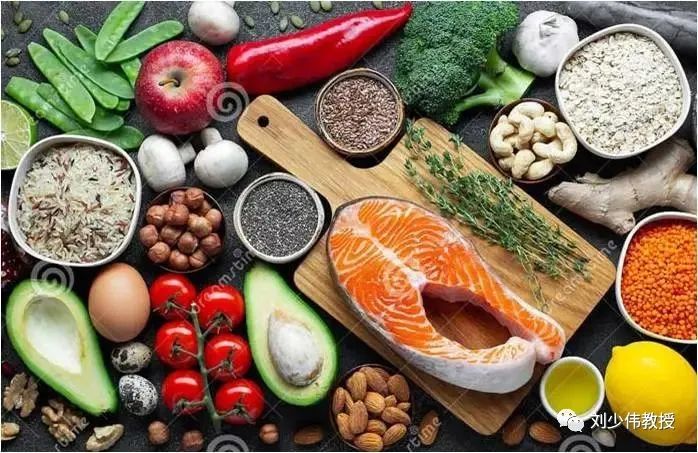
Pay attention to food safety, carefully clean fruits and vegetables, and cook shellfish and seafood.
4 Do a good job of disinfection, and use chlorine-containing disinfectants to disinfect the environment, object surfaces, drinking water, etc.
The picture comes from the network.
Expert in this paper: Wang Changyan, master candidate of food research and development in East China University of Science and Technology.
Liu Shaowei, doctor of food safety, member of expert group of Shanghai Food Safety Research Association, member of food safety professional committee of Shanghai Food Society, doctor of engineering from Pennsylvania State University, and postdoctoral fellow from Kansas State University.
References:
[1] Zhang Weishan, Hu Xinling, Lu Na, Xu Yinghua, Mi Kaixia. Research progress of Norovirus in post-genome era [J]. Journal of Food Safety and Quality Inspection, 2021,12(17):6727-6734.
[2] He Fei, Shen Yongming. Research progress on Norovirus [J]. China Urban and Rural Enterprise Hygiene, 2022,37(08):41-43.
[3] Cui Jian, Yang Lili, Deng Tingting, et al. Norovirus contamination in fruits and vegetables and research progress in detection [J]. Journal of Food Safety and Quality Detection, 2022,13(12):3884-3892.
Read the original text